What are Suspension Control Arms? Understanding Your Vehicle's Suspension


July 29, 2024

What are Suspension Control Arms?

Understanding the inner workings of your vehicle can be a complex task.


One key component that often goes unnoticed is the suspension control arm.


These crucial parts play a significant role in your vehicle's stability and steering. They work in harmony with other components like the inner tie rod, sway bar, and knuckle.


This article aims to shed light on what suspension control arms are, their function, and how they interact with other parts of your vehicle's suspension system.


Whether you're a car enthusiast, a DIY mechanic, or just curious about how your vehicle operates, this guide will provide valuable insights.


So, buckle up as we delve into the world of suspension control arms and their impact on your vehicle's performance.


The Role of Suspension Control Arms in Vehicle Stability

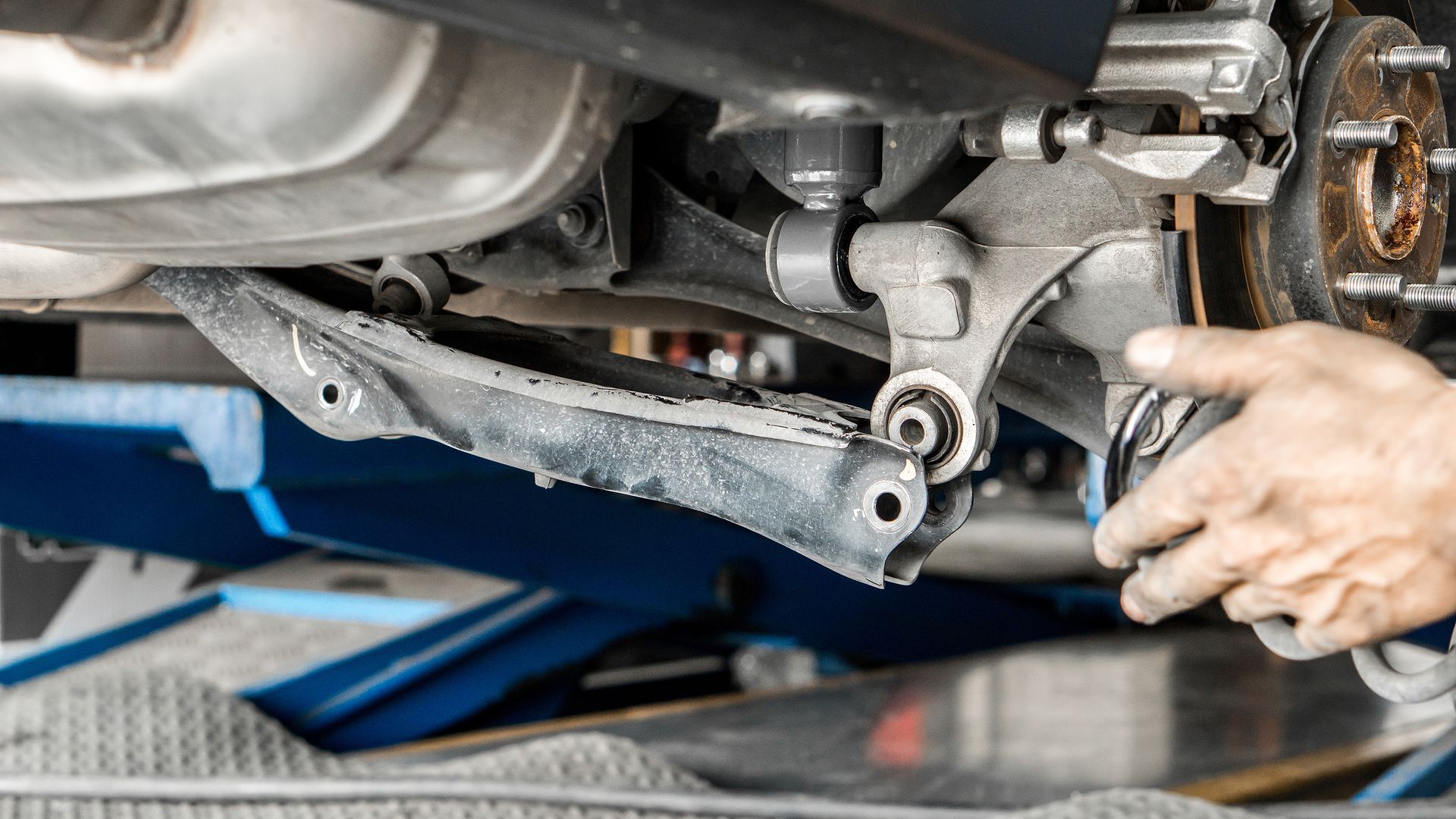
Suspension control arms, often simply referred to as control arms, are pivotal to your vehicle's stability. They connect the vehicle's frame to the steering knuckle, which holds the wheel assembly.


Control arms allow your wheels to move up and down while keeping them aligned with the body of the vehicle. This ensures a smooth ride, even on bumpy roads.


Moreover, control arms play a crucial role in maintaining the correct alignment of the wheels. This alignment is vital for safe and efficient driving, as it affects the vehicle's handling, tire wear, and fuel efficiency.


How Control Arms Function Within the Suspension System

Control arms are a key component of your vehicle's suspension system. They work in tandem with other parts like the sway bar, bushings, and tie rods to ensure a smooth and stable ride.
The control arms pivot on bushings, allowing the wheel to move up and down while the other end of the control arm is attached to the steering knuckle. This connection facilitates steering and helps maintain wheel alignment.


Here's a simple breakdown of how control arms function within the suspension system:

  • Control arms connect the vehicle's frame to the steering knuckle.
  • They allow the wheels to move up and down while maintaining alignment.
  • They work with other suspension components to absorb road shocks and ensure a smooth ride.


Upper vs. Lower Control Arms

Vehicles typically have both upper and lower control arms. The upper control arms are smaller and lighter, while the lower ones are larger and bear more of the vehicle's weight. Both types of control arms work together to ensure the wheel stays perpendicular to the road during bumps, turns, and other road conditions. This helps maintain proper wheel alignment and contributes to a smoother ride.


Materials and Durability of Control Arms

Control arms are typically made of steel or aluminum. Steel control arms are sturdy and durable, but they are also heavier.


On the other hand, aluminum control arms are lighter, which can improve fuel efficiency. However, they may not be as durable as their steel counterparts. The choice of material can significantly impact the performance and longevity of the control arms.

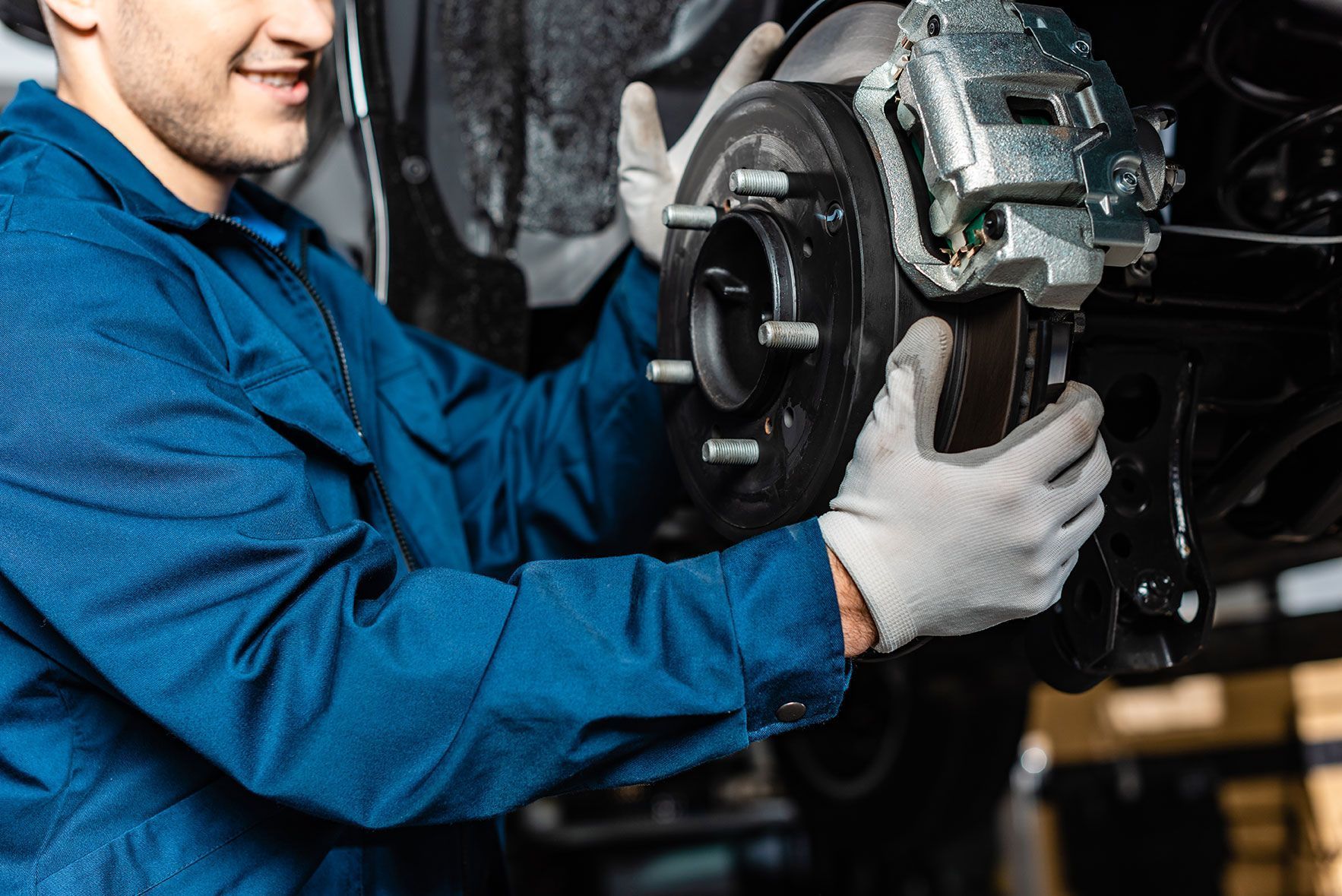
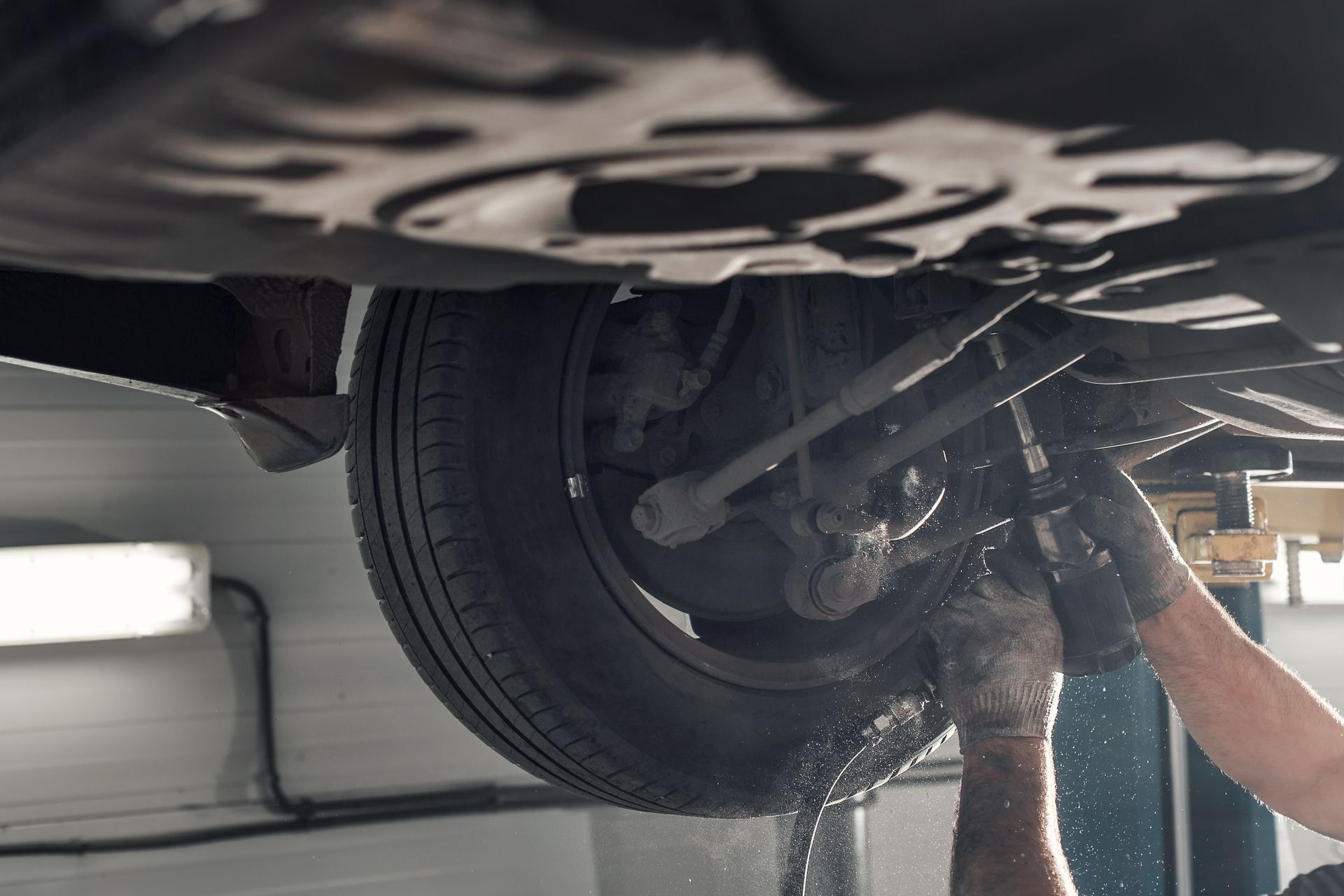
A mechanic in gloves uses a tool to perform maintenance on the lifted wheel and suspension system of a car.

Signs of Wear and When to Replace Control Arms

Control arms are built to last, but they can wear out over time. Signs of wear include clunking noises, uneven tire wear, and steering wander.


If you notice any of these symptoms, it's a good idea to have your control arms inspected. Ignoring these signs can lead to more serious problems, such as loss of control while driving.
Replacing worn control arms promptly can prevent further damage to your vehicle's suspension system. It also ensures a smoother, safer ride.


The Importance of Bushings in Control Arms

Bushings are small rubber or polyurethane components that cushion the joints in your control arms. They absorb vibrations and shocks from the road, contributing to a smoother ride.


Over time, bushings can wear out or become damaged. When this happens, you may notice increased road noise and a less comfortable ride. Regularly checking and replacing worn bushings can help maintain the performance and comfort of your vehicle.


The Impact of Control Arms on Alignment and Handling

Control arms play a crucial role in maintaining proper wheel alignment. They help keep your vehicle's wheels perpendicular to the road and parallel to each other.


Misalignment can lead to uneven tire wear and poor handling. It can also affect your vehicle's fuel efficiency. Regular alignment checks can help identify issues with control arms early. This can prevent costly repairs and ensure optimal vehicle performance.


Steering Components: Tie Rods and Knuckles

Control arms work in tandem with other steering components, such as tie rods and knuckles. The inner and outer tie rods connect the steering rack to the knuckles, allowing for smooth steering.


The knuckle, in turn, connects the control arm to the wheel assembly. It plays a crucial role in enabling your vehicle's wheels to turn.


Understanding how these components interact can help you diagnose and address suspension issues more effectively.


Lowering Control Arms: Performance and Aesthetics

Lowering control arms are a popular modification among car enthusiasts. They can improve a vehicle's stance and handling characteristics, giving it a sportier look and feel.


However, this modification should be done with care. Improper installation can lead to suspension issues and negatively impact your vehicle's performance. Always consult a professional if you're considering this type of modification.


Maintenance Tips: Inspecting Your Control Arms

Regular inspection of your control arms is crucial for maintaining your vehicle's suspension system. This can help you spot signs of wear or damage early, preventing more serious issues down the line.


When inspecting your control arms, look for signs of rust, cracks, or excessive play in the bushings. Also, listen for any unusual noises when driving, such as clunking or squeaking.
Here are some steps to follow when inspecting your control arms:


  • Check for visible signs of damage or wear.
  • Listen for unusual noises when driving.
  • Feel for excessive play in the bushings.
  • Look for signs of rust or corrosion.
  • Check the alignment of your wheels.
  • Consult a professional if you notice any issues.


Wheel Alignments are Necessary After Suspension Repairs

After working on suspension components, such as control arms, it is crucial to prioritize wheel alignments. Proper wheel alignment ensures that the wheels are perpendicular to the road and parallel to each other, resulting in even tire wear and optimal handling. Misaligned wheels can lead to poor handling, decreased fuel efficiency, and potential safety hazards. Regular alignment checks after working on suspension components help identify any issues early on, preventing costly repairs and ensuring the overall performance and longevity of the vehicle.


Choosing the Right Control Arms: OEM vs. Aftermarket

When it comes to replacing your control arms, you have two main options: OEM (Original Equipment Manufacturer) or aftermarket parts. OEM parts are made by the vehicle's manufacturer and are designed to fit and function exactly like the original.


Aftermarket parts, on the other hand, are made by third-party companies. They can offer a range of benefits, such as improved performance or lower cost, but may not always match the exact specifications of the original part.


The Critical Role of Control Arms in Your Vehicle's Suspension

In conclusion, control arms play a vital role in your vehicle's suspension system. They help maintain stability, ensure proper alignment, and contribute to a smooth and comfortable ride.
Whether you're a DIY mechanic or simply a vehicle owner looking to understand more about how your car operates, understanding the function and importance of control arms is crucial.


Remember, regular inspection and maintenance of your control arms and other suspension components can help prevent more serious issues down the line. Stay informed, stay safe, and enjoy the ride.

SHARE THIS

Recent Posts

Loading posts…

Latest Posts

Car wheel hub and brake rotor exposed under a vehicle on a lift in a repair shop
By Zack Nottke May 20, 2026
Learn the most common Chevy Tahoe suspension issues, warning signs, repair costs, and solutions. Visit Premier Tire in Cleveland TN for expert suspension service.
A bunch of tires are stacked on top of each other on a rack.
May 12, 2026
Choosing the right tires is one of the most critical decisions you'll make for your vehicle. Tires directly affect your car’s performance, safety, and fuel efficiency. With so many options on the market, it can be overwhelming to find the right set.
Black Ford F-150 pickup truck parked in a lot on a sunny day. Chrome accents, side steps, and wheels.
February 10, 2026
Learn the signs of a worn serpentine belt on your Ford F-150 and why timely replacement at Premier Automotive Specialists in Cleveland, TN helps prevent breakdowns.
A white Chevrolet Equinox SUV parked on a paved lot with green trees in the background.
January 22, 2026
Feeling vibration when braking in your Chevy Equinox? Learn the common causes, warning signs, and when to schedule professional brake repair at Premier Tire & Service.
A vehicle instrument cluster at night, showing a speedometer, tachometer, fuel gauge, and gear indicator set to Park.
December 29, 2025
Learn when your Toyota Highlander needs coolant and fluid service. Prevent overheating and costly repairs with expert maintenance from Premier Tire.
A technician in a blue uniform and gloves installs a brake rotor onto a vehicle in an auto repair shop.
December 1, 2025
Need brake repair for your Nissan Altima? Learn the top symptoms, service intervals, and repairs. Visit Premier Tire & Auto Repair for expert brake service.
A hand wearing a black and red glove unscrews the oil filler cap on a car engine.
November 2, 2025
Learn how often your Honda Accord needs an oil change and why staying on schedule protects your engine. Expert oil change service at Premier Automotive Specialists.
A glowing amber check engine light on a dark, textured circular display in front of a blurred car tachometer.
October 17, 2025
Need Audi engine repair or diagnostics in Chattanooga, TN? Premier Auto specializes in check engine lights, oil leaks & turbo issues. Schedule your service today!
Close-up of a car's wheel hub and brake disc assembly with a brake caliper attached, viewed in an auto repair shop.
September 25, 2025
Expert Honda brake repair & service in Cleveland and Ooltewah, TN. Premier Automotive Specialists provides certified brake care using quality parts. Schedule your appointment today.
A teal car’s exhaust pipes emit a cloud of white smoke over dry grass and leaves.
July 15, 2025
Ignoring an oil leak can lead to overheating, sensor damage, and even engine failure. Learn what’s at risk and how Premier Tire in TN can help.
Show More